 Reviews

 Proudly American
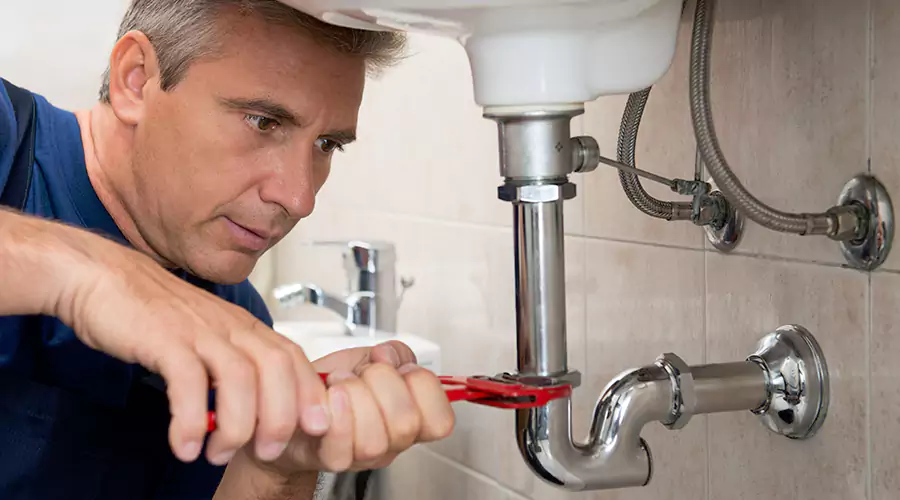
Maintaining a home in optimal condition goes beyond routine cleaning and surface-level repairs. One of the most critical yet often overlooked aspects of home maintenance is plumbing. Even minor leaks, pressure inconsistencies, or drainage problems can escalate into costly repairs if left unaddressed. Knowing when to schedule a professional plumbing inspection helps homeowners protect their investment, avoid unexpected disruptions, and maintain long-term system efficiency.
This guide outlines the most common signs that indicate your home may require professional plumbing services and explains why timely inspections are essential.
Why Professional Plumbing Inspections Matter
A professional plumbing inspection extends beyond repairing visible issues. Experienced plumbers are trained to assess the entire plumbing system and identify underlying concerns before they develop into major problems. Professional inspections help to:
- Detect hidden pipe damage early
- Improve water efficiency and reduce utility expenses
- Ensure plumbing systems meet safety and building standards
- Extend the lifespan of pipes, fixtures, and appliances
Routine inspections serve as a preventive measure, safeguarding the home against water damage, structural issues, and emergency repairs.
Signs Your Home Needs a Plumbing Inspection
Even when plumbing systems appear to be functioning normally, subtle warning signs may indicate deeper issues. Homeowners should remain alert to the following indicators:
1. Slow or Clogged Drains
Slow-draining sinks, tubs, or showers often signal blockages within the drain lines. While store-bought drain cleaners may offer temporary relief, they do not address underlying causes.
Common warning signs include:
- Frequent slow drainage across multiple fixtures
- Gurgling sounds from sinks or drains
- Persistent or unpleasant odors
A professional inspection ensures blockages are thoroughly cleared and helps prevent recurring backups.
2. Low Water Pressure
Low water pressure can interfere with daily activities such as showering, laundry, and dishwashing. A licensed plumber can determine whether the issue is caused by:
- Corroded or aging pipes
- Leaks within the plumbing system
- Problems with the main water supply line
Early diagnosis prevents further pipe deterioration and restores consistent water flow throughout the home.
3. Unexplained Increase in Water Bills
A sudden rise in water bills without changes in household usage often indicates hidden leaks. These leaks may occur in:
- Aging or corroded water pipes
- Underground plumbing lines
- Connections to toilets, faucets, or appliances
Professional inspections detect these issues early, reducing unnecessary water costs and preventing property damage.
4. Visible Water Damage or Mold Growth
Water stains on ceilings, walls, or flooring can point to concealed leaks behind surfaces or beneath floors. Mold growth is particularly concerning, as it can affect indoor air quality and overall health.
Warning signs include:
- Peeling or bubbling paint
- Damp or discolored areas
- Persistent musty odors
A qualified plumber can locate the source of moisture and resolve the issue before structural damage worsens.
5. Frequent Toilet or Pipe Blockages
Repeated toilet clogs or sewer backups often indicate more serious plumbing concerns, such as:
- Cracked or collapsed pipes
- Sewer line obstructions
- Improper pipe slope or installation
Ignoring these issues may lead to extensive repairs and potential sewer line replacement.
Benefits of Hiring a Professional Plumbing Expert
Working with an experienced plumbing service provides several advantages, including:
- Prompt response to urgent plumbing concerns
- Accurate diagnosis using advanced inspection tools
- Long-term solutions rather than temporary fixes
- Compliance with plumbing codes and safety standards
Professional expertise ensures problems are addressed efficiently and correctly the first time.
What to Expect During a Plumbing Inspection
A comprehensive plumbing inspection typically includes:
- Visual Evaluation: Examination of exposed pipes, fixtures, and water heaters
- Leak Detection: Identification of hidden leaks within walls, floors, or underground
- Water Pressure Testing: Verification of consistent and adequate pressure
- Pipe Condition Assessment: Review of materials such as copper, PVC, or galvanized piping
- Drain and Sewer Evaluation: Confirmation that drain lines and sewer systems function properly
Following the inspection, homeowners receive a detailed report outlining findings, recommended repairs, and preventive maintenance guidance.
Preventive Plumbing Tips for Homeowners
In addition to professional inspections, homeowners can take proactive steps to maintain plumbing performance:
- Avoid pouring grease or food waste down drains
- Clean drain traps and vents regularly
- Monitor water pressure for sudden changes
- Schedule inspections every one to two years
- Replace outdated piping materials when necessary
Preventive care reduces the likelihood of emergencies and extends system longevity.
Choosing the Right Plumbing Service
When selecting a plumbing provider, homeowners should consider:
- Licensing and insurance credentials
- Industry experience and technical expertise
- Range of services, from pipe installation to sewer repairs
- Transparent pricing and clear communication
A reputable provider offers comprehensive solutions and prioritizes long-term reliability.
Conclusion
Professional plumbing inspections are a critical component of responsible home maintenance. Recognizing early warning signs—such as slow drains, low water pressure, unexplained water bills, and visible water damage—can help prevent costly repairs and system failures.
Scheduling a professional plumbing inspection at the right time ensures efficiency, safety, and peace of mind. Proactive attention today protects your home, preserves property value, and supports dependable plumbing performance for years to come.